
Watch Demo
Watch Demo
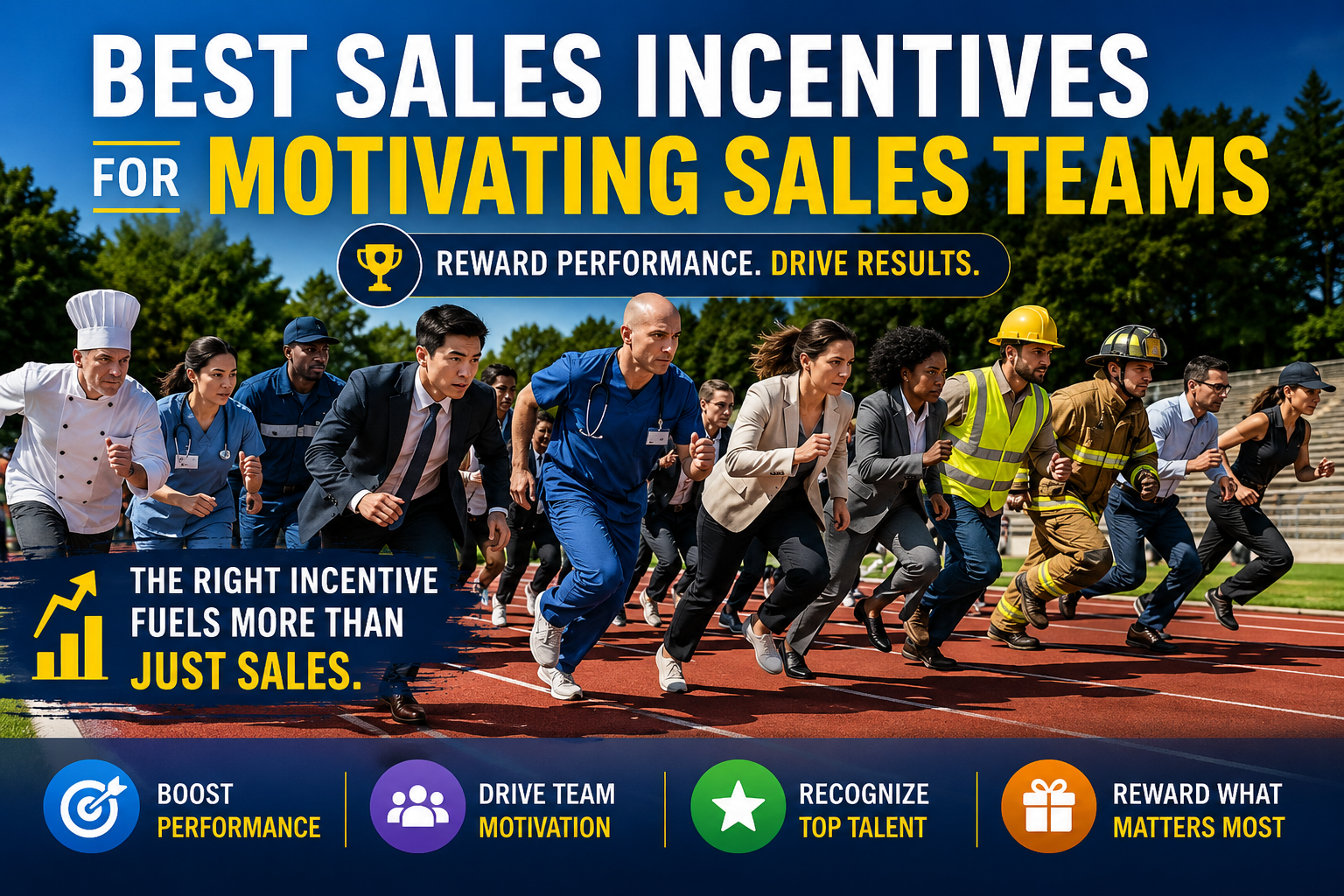
Every sales team is motivated by results, but not every sales team is motivated by the same rewards.
Some reps are driven by cash. Others respond better to recognition, competition, flexibility, or unique experiences.
That is why the best sales incentive programs are built around understanding what motivates people rather than simply offering rewards.
A well designed incentive can increase engagement, improve performance, and help teams focus on specific business goals. A poorly designed one can be ignored completely.
The challenge is finding incentives that feel valuable while supporting the outcomes the business wants to achieve.
Sales is one of the easiest areas of a business to measure.
Goals are often tied directly to revenue, new customers, product sales, or account growth. Because performance can be tracked clearly, incentives can be tied directly to results.
When sales reps know exactly what they need to accomplish and what reward is attached to that achievement, motivation tends to increase.
That does not mean every incentive program succeeds.
The most effective programs are simple, transparent, and tied to goals that employees can realistically influence.
Cash remains one of the most common sales incentives.
The reason is simple.
Most people appreciate additional income.
Cash bonuses are often tied to:
• monthly sales goals
• quarterly performance targets
• new customer acquisition
• product specific campaigns
The downside is that cash can quickly become expected.
Once an incentive becomes part of the routine, it may lose some of its motivational impact.
That is one reason many organizations supplement cash incentives with other reward types.
Digital gift cards have become a popular option for both short term and long term incentive programs.
Unlike cash, gift cards often feel more like a reward than compensation.
Sales reps also have flexibility in how they use them.
For example, a company might offer gift cards for:
• booking the most meetings in a month
• selling a newly launched product
• exceeding activity goals
• participating in sales contests
Because they can be delivered instantly, digital rewards work especially well for programs designed to reinforce behavior quickly.
Organizations using a digital rewards platform can often automate reward distribution and reduce administrative work.
Short term incentive campaigns remain one of the most effective ways to drive focused behavior.
These programs are often called SPIFs, which stands for Sales Performance Incentive Fund.
You have probably seen examples of this before.
A company launches a new product and offers a reward to the first ten sales reps who reach a specific sales target.
A retailer may offer an additional incentive for selling a particular product line during a promotional period.
These campaigns work because they create urgency.
Employees know the opportunity is temporary.
Companies interested in this approach can learn more about SPIF programs and how they are commonly used.
Sales contests add an element of competition.
For some teams, competition can be highly motivating.
Examples include:
• most revenue generated in a month
• highest number of new accounts
• most product demonstrations completed
• best customer retention performance
The reward itself is important, but the competitive aspect is often what drives participation.
Many sales leaders find that contests work best when goals are achievable and participation is broad rather than limited to only top performers.
Some companies offer experiences instead of traditional financial rewards.
Examples include:
• weekend trips
• sporting event tickets
• concert tickets
• team outings
• exclusive experiences
Experience based incentives often create stronger memories than cash alone.
People may forget a bonus amount after a few months. They are more likely to remember a unique experience they enjoyed with coworkers or family.
These rewards are particularly common in larger sales organizations and channel partner programs.
Not every sales incentive needs to involve money.
Recognition can be surprisingly effective, especially when combined with other rewards. Many companies already use some form of employee recognition to highlight top performers and reinforce positive behaviors.
Many organizations use:
• leaderboards
• monthly recognition awards
• team meetings
• internal newsletters
• achievement announcements
Most sales professionals appreciate being recognized for strong performance.
A simple acknowledgment in front of peers can reinforce positive behavior and contribute to a healthy competitive culture.
One of the biggest mistakes companies make is using the same incentive for every objective.
Different goals often require different approaches.
For example, launching a new product may benefit from a short term SPIF campaign.
Improving overall revenue may call for a quarterly performance bonus.
Increasing activity levels could be supported by a contest or point based rewards program.
The best incentive programs start with a business objective and then choose rewards that support that objective.
Some organizations also combine sales incentives with customer rewards programs when they want to drive both internal performance and customer retention at the same time.
Many sales incentive programs fail because they become too complicated.
If sales reps cannot easily explain how the program works, participation usually suffers.
Other common mistakes include:
• setting unrealistic goals
• delaying reward delivery
• offering rewards employees do not value
• changing program rules midway through a campaign
The strongest programs are often the simplest.
That simplicity becomes even more important when using digital rewards, where speed and ease of redemption often influence participation rates.
Employees should understand exactly what they need to do, how success is measured, and what reward they will receive.
Sales incentives can help improve focus, increase motivation, and support revenue growth when they are aligned with clear business goals.
Whether the reward is cash, digital gift cards, recognition, or experiences, the most successful programs make participation simple and rewards meaningful.
If you are looking to build a sales incentive program that is easy to manage and rewarding for participants, contact our team to learn more about digital rewards and incentive solutions.
You may also find this resource helpful:
• Sales Incentive Programs: How They Work and Why Teams Use Them
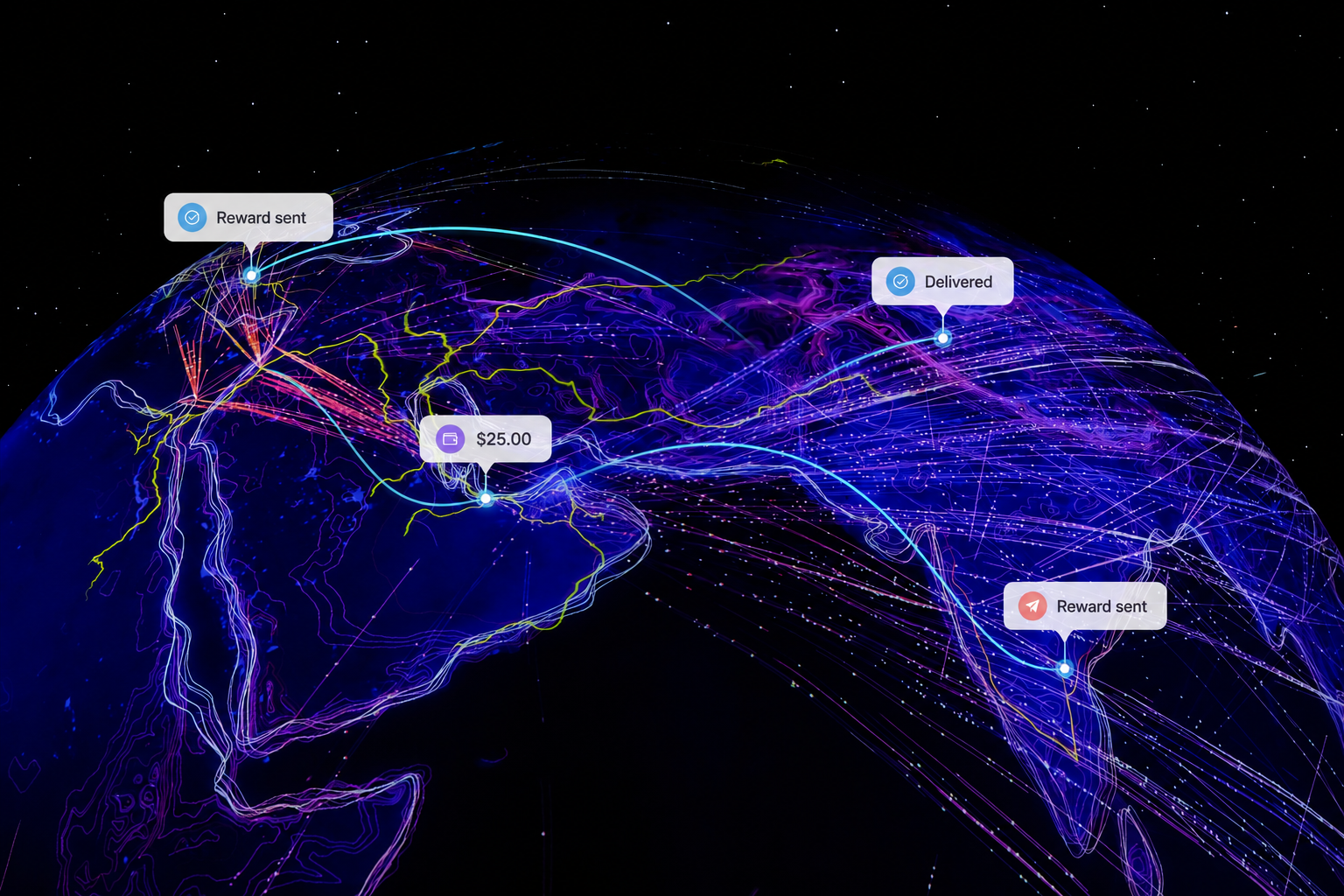
How global rewards distribution works: reward availability by market, value equivalence vs currency conversion, compliance, delivery, and what to localize.
Read More ➞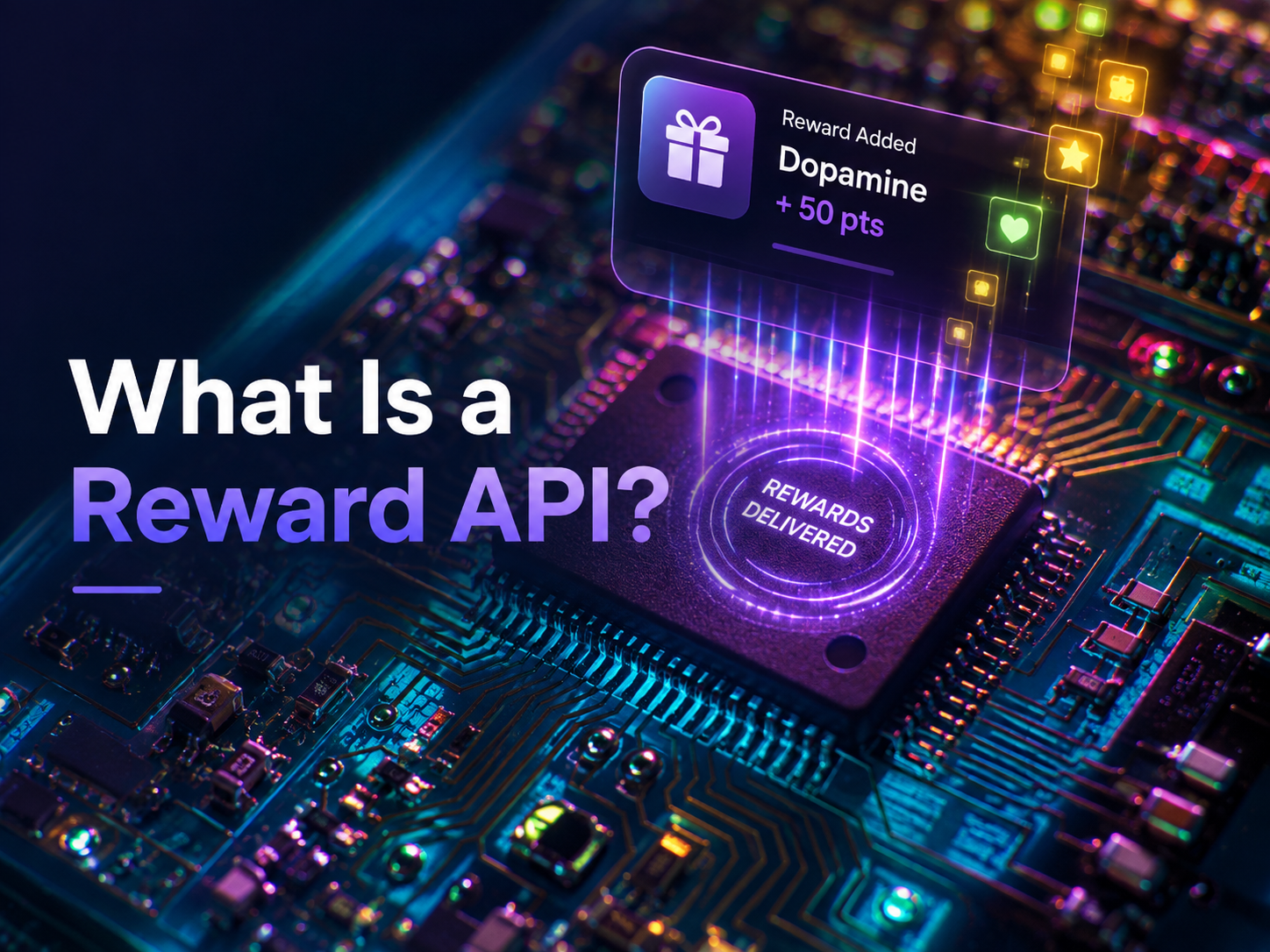
What a reward API does, how the integration works, why idempotency matters, webhooks vs polling, funding, testing, and when you do not need one at all.
Read More ➞
How gift card incentives work: open vs closed loop, choosing denominations, delivery, breakage, fraud, and when a gift card is the wrong reward to send.
Read More ➞Built on global gift-card infrastructure, ORBT connects your business to thousands of brands, enabling seamless digital value distribution at scale.
Contact Sales