
Watch Demo
Watch Demo

Employee recognition sounds simple.
Someone does good work. The company acknowledges it.
In practice, a lot of recognition programs miss the mark.
Employees get generic praise, repetitive awards, or rewards they do not actually care about. The company checks a box, but nothing really changes.
Good recognition feels different.
It feels personal. It feels genuine. Most importantly, it makes employees feel like their work matters.
Recognition does not need to be expensive. It just needs to be meaningful.
Most people want to know their effort is noticed.
That does not mean employees expect constant praise. It means they want to feel that the work they put in has value.
When employees consistently go above and beyond without acknowledgment, motivation tends to fade. Over time, even strong performers can become disengaged if they feel invisible.
Recognition helps reinforce the behaviors companies want to encourage. It also helps build a culture where employees understand that good work gets noticed.
Organizations often focus heavily on compensation, but recognition plays an important role in retention, engagement, and workplace satisfaction.
Recognition can take many forms. Sometimes it is as simple as a manager calling out great work during a meeting. Other times it involves rewards, employee nominations, or company wide recognition programs.
Recognition and rewards are often grouped together, but they are not the same thing.
Recognition is the acknowledgment.
Rewards are the tangible benefit.
For example, a manager publicly thanking an employee during a team meeting is recognition.
Giving that employee a gift card afterward is a reward.
Neither approach is wrong. In fact, the strongest programs usually combine both.
Employees want to feel appreciated, but they also appreciate receiving something of value in return for exceptional effort.
That balance is one reason many companies invest in formal employee rewards and recognition programs rather than relying on occasional praise alone.
Public recognition remains one of the simplest and most effective approaches.
A shoutout during a meeting, a mention in a company newsletter, or recognition in front of peers can go a long way.
Most employees do not expect a standing ovation. They simply want to know that their contributions are seen.
Many companies already do this in small ways without calling it a formal recognition program.
A sales manager might recognize the top performer during a monthly meeting. A company newsletter might highlight an employee who helped complete a major project. Some organizations even have employee spotlights on their intranet or social media pages.
These examples are simple, but they help employees feel that their work is visible and appreciated.
Public recognition also benefits the broader team.
It highlights behaviors the company values and gives others examples to follow.
The key is specificity.
"Great job" is easy to forget.
"Thanks for staying late to help the team finish the project before the deadline" feels much more meaningful because it acknowledges a real contribution.
Managers are not always the people who see the best work happening.
Coworkers often have a much clearer view of who is helping, supporting projects, solving problems, and stepping up when needed.
That is why peer recognition programs have become increasingly popular.
These programs allow employees to recognize one another for contributions that might otherwise go unnoticed.
You have probably seen versions of this before.
Some companies allow employees to nominate coworkers for monthly awards. Others use platforms where team members can send digital badges, points, or recognition messages to one another. In remote workplaces, this often happens through dedicated Slack or Microsoft Teams channels where employees can publicly thank coworkers for their help.
Many organizations pair these recognition systems with rewards. Employees might earn points that can later be redeemed for gift cards, merchandise, or other incentives.
In many organizations, peer nominations are tied to points, rewards, or company recognition programs.
The result is often a more complete picture of employee contributions across the organization.
Ask ten employees what reward they want and you will probably get ten different answers.
One person might want coffee. Another might prefer a meal. Someone else may want to put the reward toward everyday expenses.
That is one reason digital gift cards have become so common.
Instead of trying to guess what employees want, companies can offer rewards that allow employees to choose for themselves.
Digital rewards are also easy to distribute. Managers can send them quickly, employees receive them immediately, and there is no need to manage physical inventory.
For organizations using a digital rewards platform, the process can often be automated from start to finish.
Not every reward needs to involve money.
For many employees, time is more valuable.
An extra day off, a half day on a Friday, or additional scheduling flexibility can feel more meaningful than a small bonus.
This is especially true after demanding projects, busy seasons, or periods of sustained effort.
Time off gives employees a chance to recharge while reinforcing that the company values their contribution.
Recognition can also help employees grow.
Many people appreciate opportunities that support their long term career goals.
Examples include:
• training programs
• certifications
• conferences
• professional memberships
• skill development courses
These rewards send a different message than cash or gift cards.
They tell employees the company sees potential in them and is willing to invest in their future.
For employees focused on career growth, that can be highly motivating.
Some rewards are forgotten quickly.
Experiences tend to stick around longer.
Team lunches, sporting events, volunteer activities, celebration dinners, and company outings often create stronger memories than small physical gifts.
These experiences also strengthen relationships between coworkers.
That can improve collaboration while giving teams a chance to celebrate shared accomplishments together.
Recognition becomes more challenging when employees are not sitting in the same office.
Managers lose many of the informal opportunities that naturally happen during the workday.
Because of this, recognition often needs to be more intentional.
Successful remote teams frequently use:
• virtual team recognition
• digital rewards
• employee spotlight programs
• internal recognition channels
• peer nominations
Consistency matters.
Employees should not feel forgotten simply because they work remotely.
Many recognition programs fail for predictable reasons.
Sometimes recognition becomes too generic.
Sometimes it is delayed so long that the achievement no longer feels relevant.
In other cases, companies offer rewards employees do not actually want.
Recognition works best when it is timely, specific, and connected to real accomplishments.
Employees should understand exactly what they are being recognized for.
That clarity makes recognition feel genuine rather than routine.
The best recognition programs are often surprisingly simple.
Employees should understand how recognition works.
Managers should find it easy to participate.
Rewards should feel relevant.
Programs become much harder to sustain when they require excessive administration or complicated rules.
Many organizations pair recognition with flexible rewards because it allows employees to choose what matters most to them.
This is one reason companies often combine recognition efforts with non cash employee incentives that employees can personalize.
Employee recognition is not about creating elaborate award programs.
It is about making sure people feel valued for the work they do.
When employees know their contributions matter, engagement tends to improve, morale becomes stronger, and organizations often see better retention over time.
If you are looking to build an employee recognition program that is easy to manage and meaningful for employees, contact our team to learn more about digital rewards and engagement strategies.
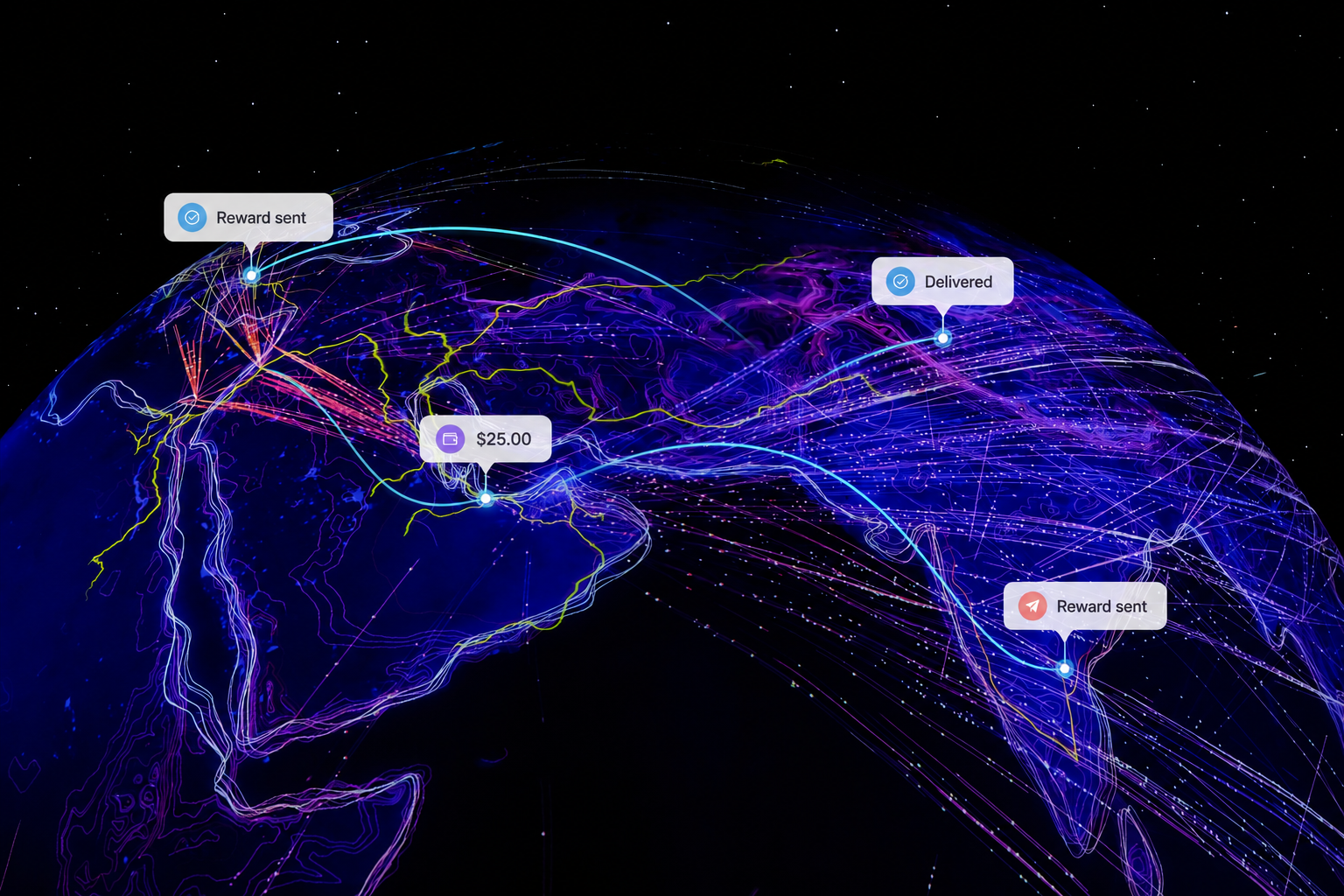
How global rewards distribution works: reward availability by market, value equivalence vs currency conversion, compliance, delivery, and what to localize.
Read More ➞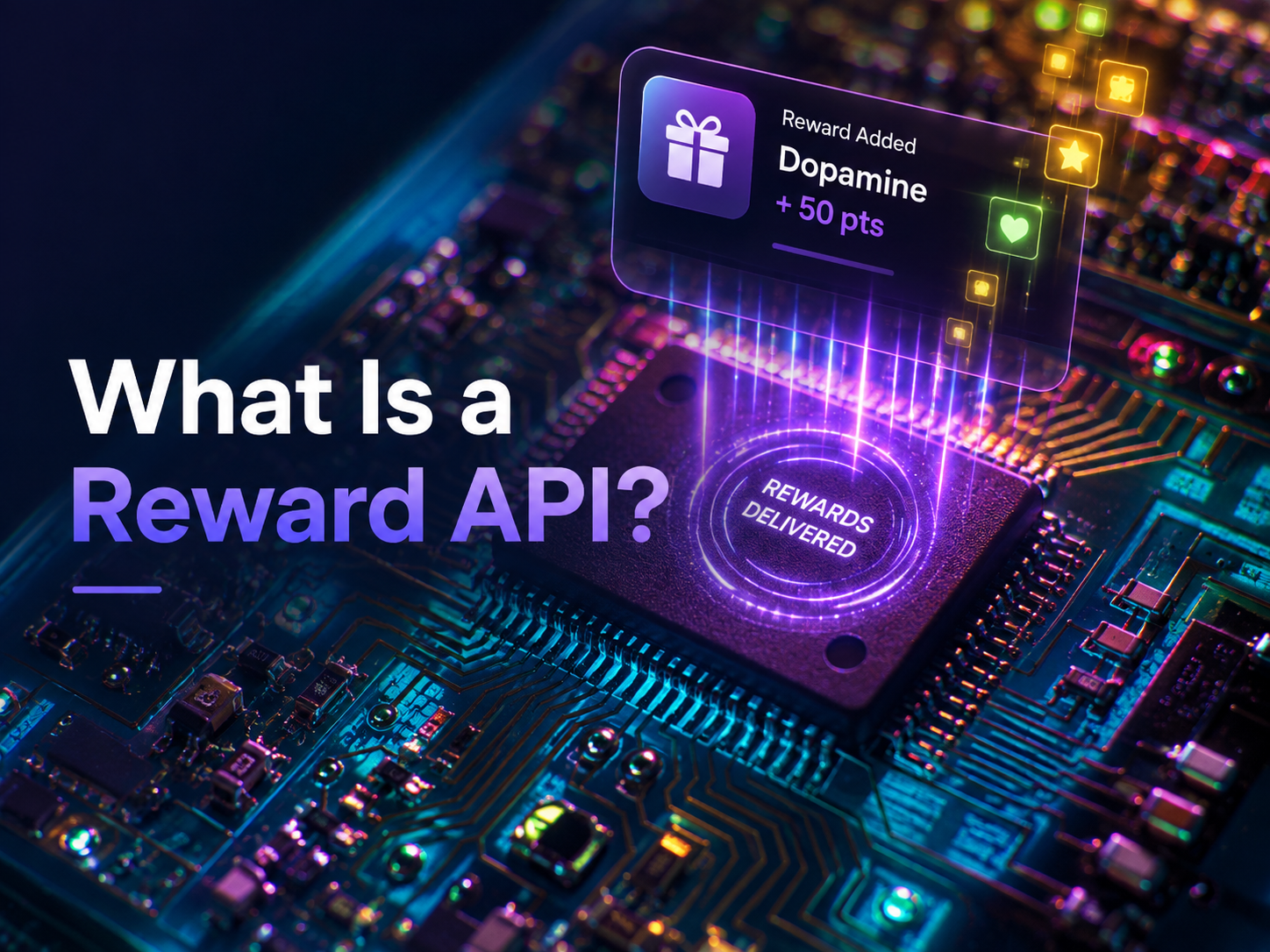
What a reward API does, how the integration works, why idempotency matters, webhooks vs polling, funding, testing, and when you do not need one at all.
Read More ➞
How gift card incentives work: open vs closed loop, choosing denominations, delivery, breakage, fraud, and when a gift card is the wrong reward to send.
Read More ➞Built on global gift-card infrastructure, ORBT connects your business to thousands of brands, enabling seamless digital value distribution at scale.
Contact Sales