
Watch Demo
Watch Demo
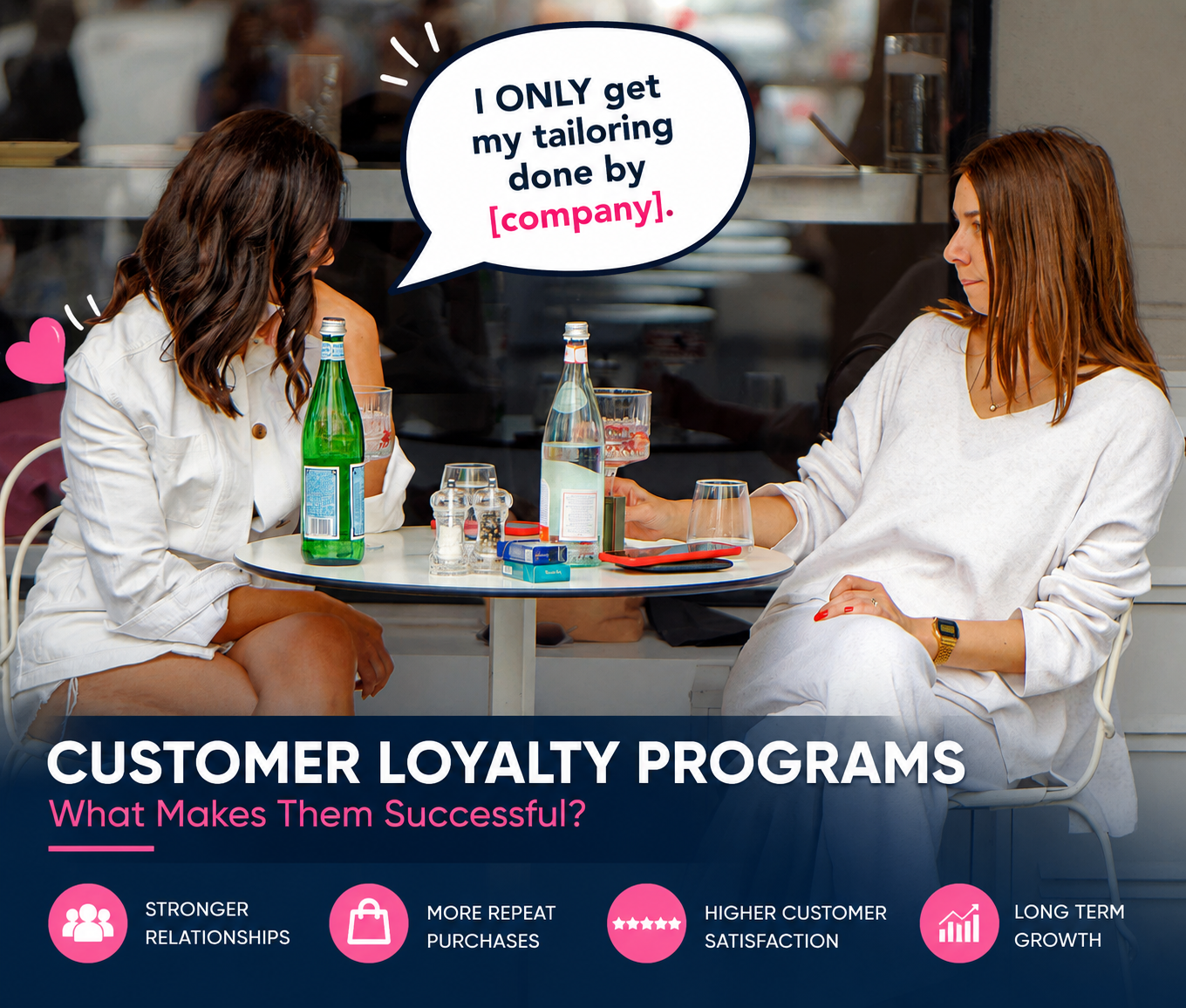
Customer loyalty programs have become a common part of modern marketing. From coffee shops and airlines to major retailers and online brands, businesses use loyalty programs to encourage customers to come back.
Some programs become a key part of a company's growth strategy. Others struggle to gain traction and are quickly forgotten.
The difference usually comes down to value.
Successful loyalty programs make customers feel like they are getting something worthwhile in exchange for their continued business. The reward does not have to be expensive. It simply needs to be relevant, easy to understand, and achievable.
Acquiring a new customer often costs more than keeping an existing one.
Marketing teams spend significant resources attracting new buyers through advertising, promotions, and outreach. Once a customer makes a purchase, there is an opportunity to build an ongoing relationship.
Loyal customers tend to:
• purchase more frequently
• spend more over time
• refer friends and family
• leave positive reviews
• be less likely to switch to competitors
Because of this, many businesses focus heavily on retention alongside customer acquisition.
A loyalty program provides a structured way to encourage repeat engagement.
At its core, a loyalty program rewards customers for taking actions that benefit the business.
The most common action is making a purchase. However, loyalty programs can also reward customers for referrals, reviews, account creation, event participation, and other forms of engagement.
The goal is simple.
When customers know they will receive value in return for their continued participation, they are more likely to stay engaged with the brand.
This creates a cycle where customers feel rewarded and businesses benefit from increased retention.
There is no single loyalty model that works for every company.
Different industries often use different structures depending on customer behavior.
Points programs are one of the most common approaches.
Customers earn points when they make purchases and can redeem those points for rewards later.
Airlines, hotels, retailers, and restaurants frequently use this model.
The appeal is straightforward. Customers can easily track their progress and work toward a future reward.
Tiered programs reward customers based on their level of engagement.
The more a customer spends or participates, the higher their status becomes.
Higher tiers often unlock additional perks, exclusive offers, or better rewards.
This structure works well because it creates a sense of progression.
Some businesses offer store credit, cashback, or account balances that can be applied to future purchases.
Customers often view these rewards as practical because they provide immediate value.
Digital rewards have become increasingly popular because they are easy to distribute and manage.
Businesses can automatically send digital gift cards, promotional codes, or incentive rewards without requiring physical fulfillment.
For organizations already using a digital rewards platform, loyalty rewards can often be delivered instantly after a qualifying action occurs.
Many loyalty programs fail because they are too complicated.
Customers should not need to study a reward structure to understand how it works.
Successful programs usually share a few characteristics.
Customers should immediately understand what they are earning.
If rewards feel confusing or insignificant, participation drops.
People want to know exactly what benefit they will receive.
Earning rewards is only part of the equation.
Customers must also be able to redeem them without frustration.
Complicated redemption processes can reduce engagement even when rewards are attractive.
Customers should regularly be reminded about their progress and available rewards.
Simple updates can help keep a program top of mind.
This is especially important for businesses with longer buying cycles.
Not every customer values the same thing.
The best loyalty programs offer rewards that fit the audience.
A reward that feels meaningful to one customer group may not appeal to another.
Digital rewards help solve many of the operational challenges associated with loyalty programs.
Traditional rewards often require physical inventory, shipping, or manual processing.
Digital incentives remove many of those barriers.
Benefits include:
• instant delivery
• lower administrative effort
• easier program management
• flexible reward options
• global distribution capabilities
This is one reason many companies are shifting away from traditional reward models and toward digital delivery systems.
Businesses that already use digital incentive programs often find it easier to launch and scale loyalty initiatives.
Customer loyalty and referral programs often work together.
A loyal customer is more likely to recommend a business to others.
Because of this, many companies incorporate referral incentives into their loyalty strategy.
Offering rewards for successful referrals can help increase customer acquisition while strengthening engagement among existing customers.
Companies interested in this approach can learn more about customer referral incentives and how they fit into broader retention programs.
A loyalty program should be evaluated using measurable business outcomes.
Common metrics include:
• repeat purchase rate
• customer retention rate
• average order value
• redemption rate
• referral activity
• customer lifetime value
Tracking these metrics helps businesses understand whether the program is creating meaningful results.
Many companies also compare loyalty metrics alongside participation data from survey incentives to better understand customer behavior and satisfaction.
Programs that generate engagement without influencing customer behavior may need adjustments to their rewards, communication strategy, or overall structure.
Several mistakes appear repeatedly across unsuccessful loyalty programs.
One of the most common is making rewards difficult to earn.
Customers should feel progress relatively quickly.
Another mistake is offering rewards that do not align with customer interests.
A third issue is poor communication. Customers who forget a loyalty program exists are unlikely to participate.
Successful programs keep things simple, visible, and rewarding.
Customer loyalty programs work best when they provide clear value and make participation easy.
Whether the goal is increasing repeat purchases, improving retention, or encouraging referrals, a well designed loyalty program can become a valuable long term growth tool.
If you are exploring ways to improve retention, increase repeat purchases, or build a loyalty program around digital rewards, our team can help.
Contact our team to learn more about building customer incentive programs that are easy to manage and rewarding for your customers.
You may also find this resource helpful:
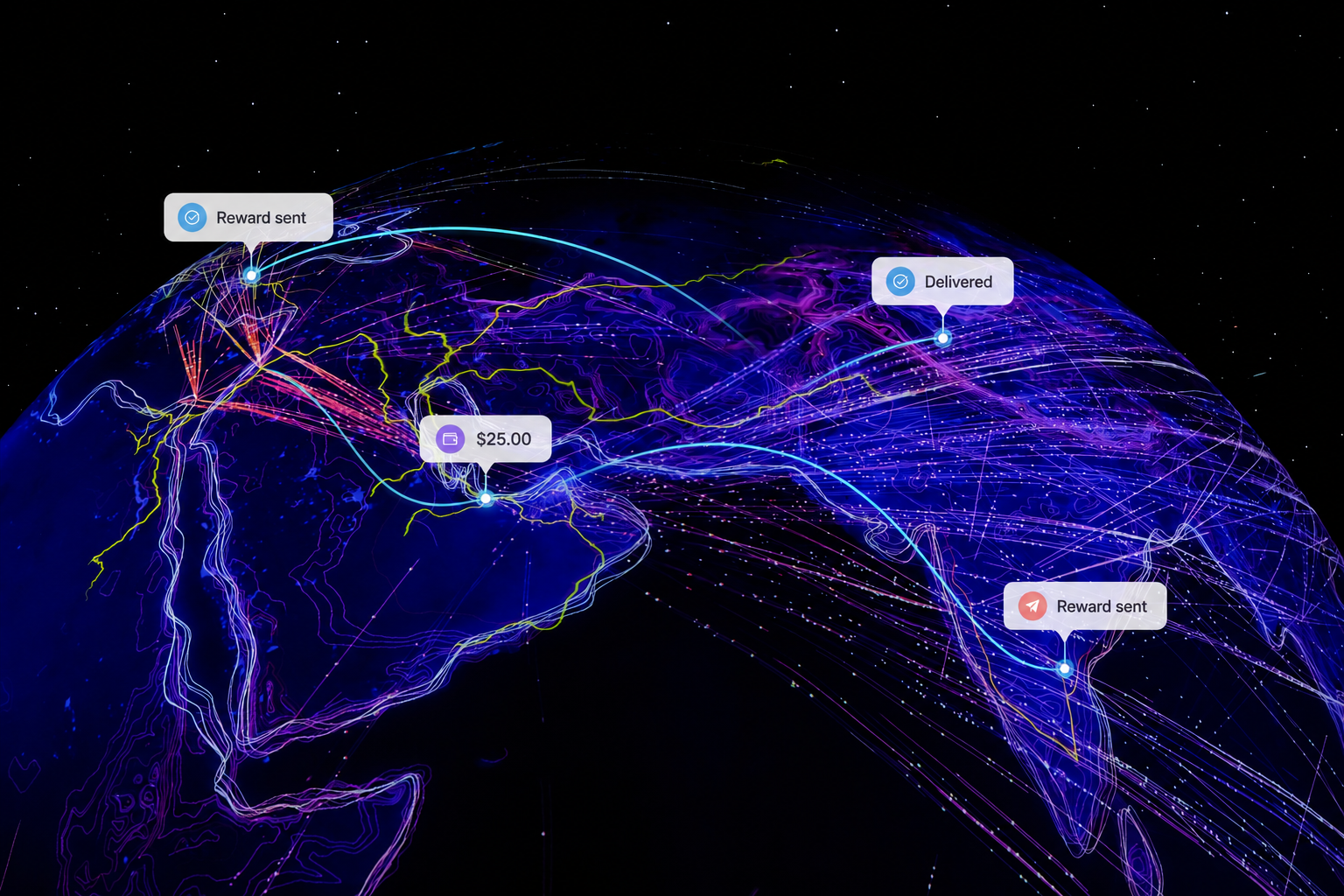
How global rewards distribution works: reward availability by market, value equivalence vs currency conversion, compliance, delivery, and what to localize.
Read More ➞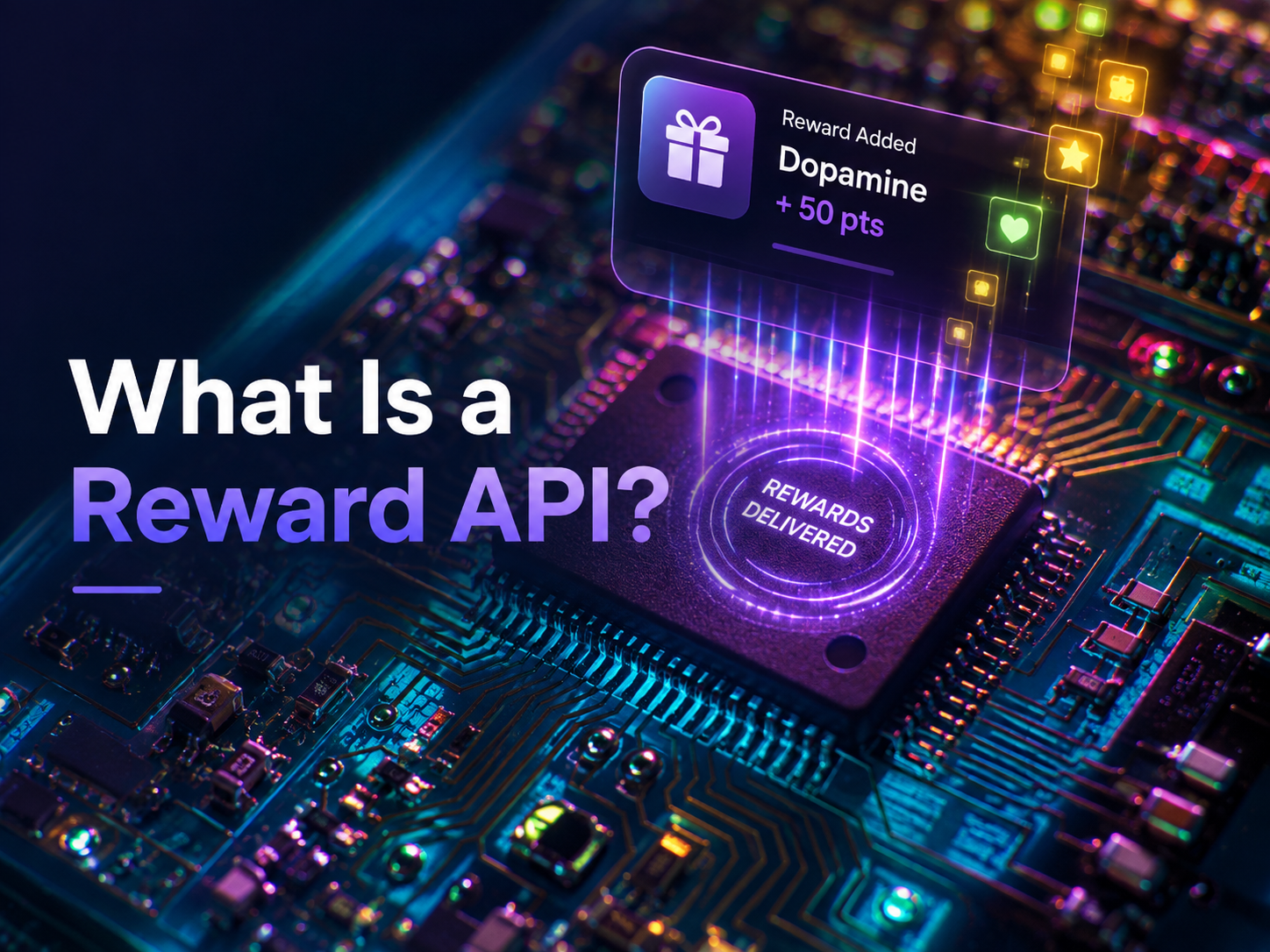
What a reward API does, how the integration works, why idempotency matters, webhooks vs polling, funding, testing, and when you do not need one at all.
Read More ➞
How gift card incentives work: open vs closed loop, choosing denominations, delivery, breakage, fraud, and when a gift card is the wrong reward to send.
Read More ➞Built on global gift-card infrastructure, ORBT connects your business to thousands of brands, enabling seamless digital value distribution at scale.
Contact Sales